
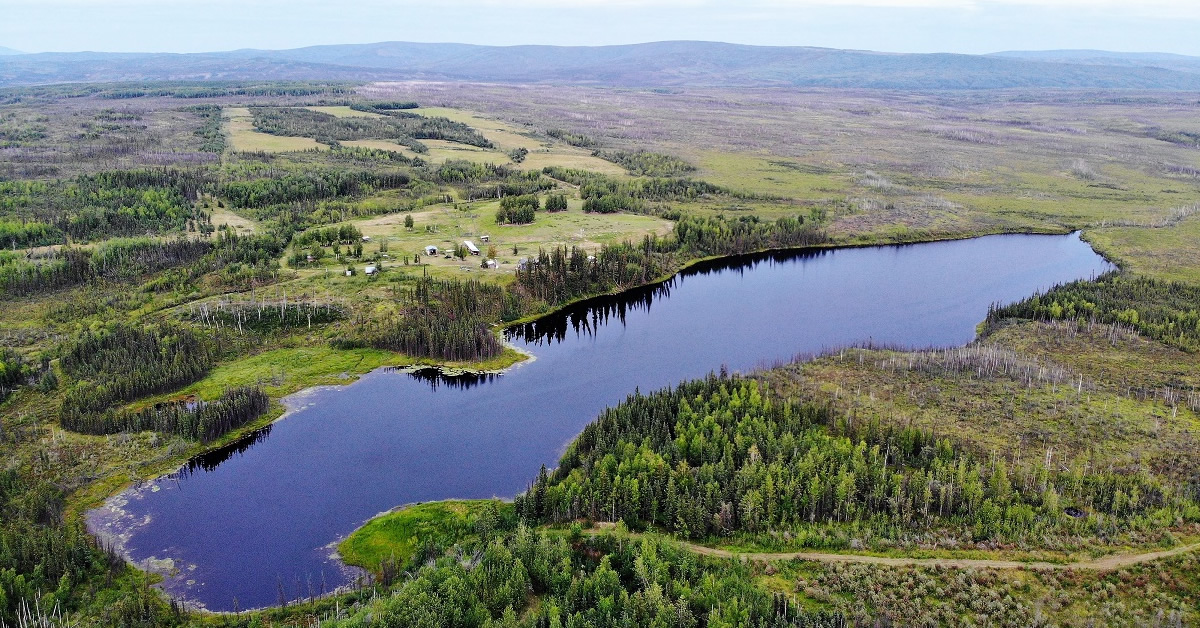

Financing Remote & Off-Grid Property in Alaska
Financing remote and off-grid property in Alaska can be very different from financing a traditional residential home. Property access, utility systems, seasonal use, and even the type of structure can all affect how a lender views the property.
For buyers considering cabins, land, or remote homes in Alaska, understanding financing early can prevent delays, reduce frustration, and help you target properties that realistically fit your goals.
Why Remote Properties Can Be More Challenging to Finance
Lenders are generally more comfortable with properties that look and function like standard residential homes. Remote and off-grid properties often fall outside that model.
Common financing challenges include:
- Limited or seasonal access
- No conventional utility connections
- Alternative heat, water, or power systems
- Non-traditional construction
- Recreational or seasonal use rather than full-time occupancy
These factors can affect loan availability, down payment requirements, and appraisal outcomes.
Property Type Matters
Not all remote properties are financed the same way.
A lender may view these very differently:
- A year-round home on maintained road access
- A seasonal cabin with no running water
- Vacant land with no improvements
- An off-grid recreational property with solar or generator power
The more a property resembles a conventional residence, the more financing options buyers typically have.
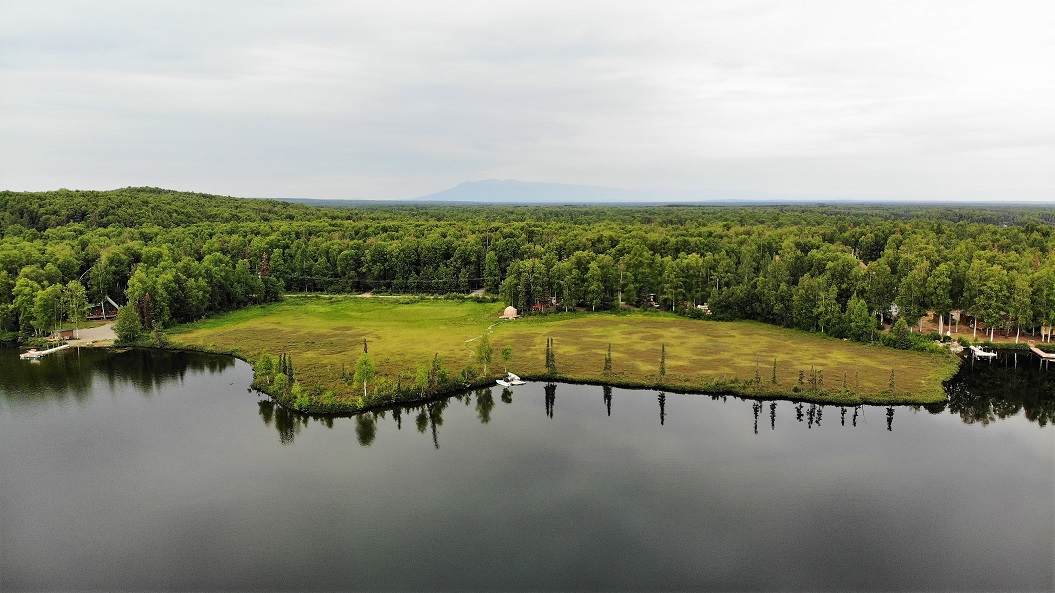
Financing Vacant Land in Alaska
Vacant land often requires a different lending approach than improved residential property.
Buyers should be prepared for:
- Larger down payments
- Shorter loan terms
- Higher interest rates than conventional home loans
- More lender scrutiny regarding access and usability
Some land purchases may be easier to complete with local lenders, portfolio products, or cash.
Appraisals and Lender Risk
Even if a buyer is qualified, the property itself still has to work for the lender.
Appraisers and underwriters may focus on:
- Comparable sales
- Legal and physical access
- Utility systems
- Year-round livability
- Marketability if the lender had to resell the property
This is one reason remote properties can be more complicated than standard residential transactions.
Why Buyers Should Talk to a Lender Early
For remote or off-grid properties, financing should be discussed before falling in love with a specific property.
A lender can help clarify:
- What property types are eligible
- Expected down payment
- Documentation requirements
- Whether the intended use matters
- Which loan products are realistic
Buyers who understand their financing options early are better positioned to search strategically.
Financing Is Only Part of the Picture
Financing a remote property is closely tied to the property’s actual condition and usability.
Buyers should also evaluate:
- Road or trail access
- Water and septic systems
- Power sources
- Seasonal limitations
- Long-term maintenance and ownership costs
Work With an Experienced Alaska Realtor
Remote and off-grid property purchases require more due diligence than many traditional transactions. Working with an experienced Alaska Realtor can help buyers identify potential issues early and move forward with realistic expectations.
👉 Learn more about buying property in Alaska
👉 Contact Sheila Monson

Frequently Asked Questions About Financing Remote Property in Alaska
Is it harder to finance remote property in Alaska?
Yes, it can be. Lenders often see remote and off-grid properties as higher risk because of access, utility limitations, and non-traditional features. Financing may still be available, but options can be more limited than with standard residential homes.
Can you get a conventional loan on an off-grid property in Alaska?
Sometimes, but it depends on the property. The more a property resembles a conventional year-round residence, the more likely it is to qualify for standard financing. Truly off-grid or recreational properties may require alternative lending options.
Do remote cabins require larger down payments?
Often, yes. Remote cabins, land, and recreational properties may require larger down payments than a standard home purchase, depending on the lender and the property type.
Is vacant land easier or harder to finance than a home?
Vacant land is usually harder to finance than a conventional home. Land loans often have stricter terms, higher down payment requirements, and fewer lender options.
Should I talk to a lender before looking at remote property?
Yes. Financing rules can vary significantly based on property type, location, and intended use. Talking to a lender early helps buyers focus on properties that realistically fit their financing options.

