
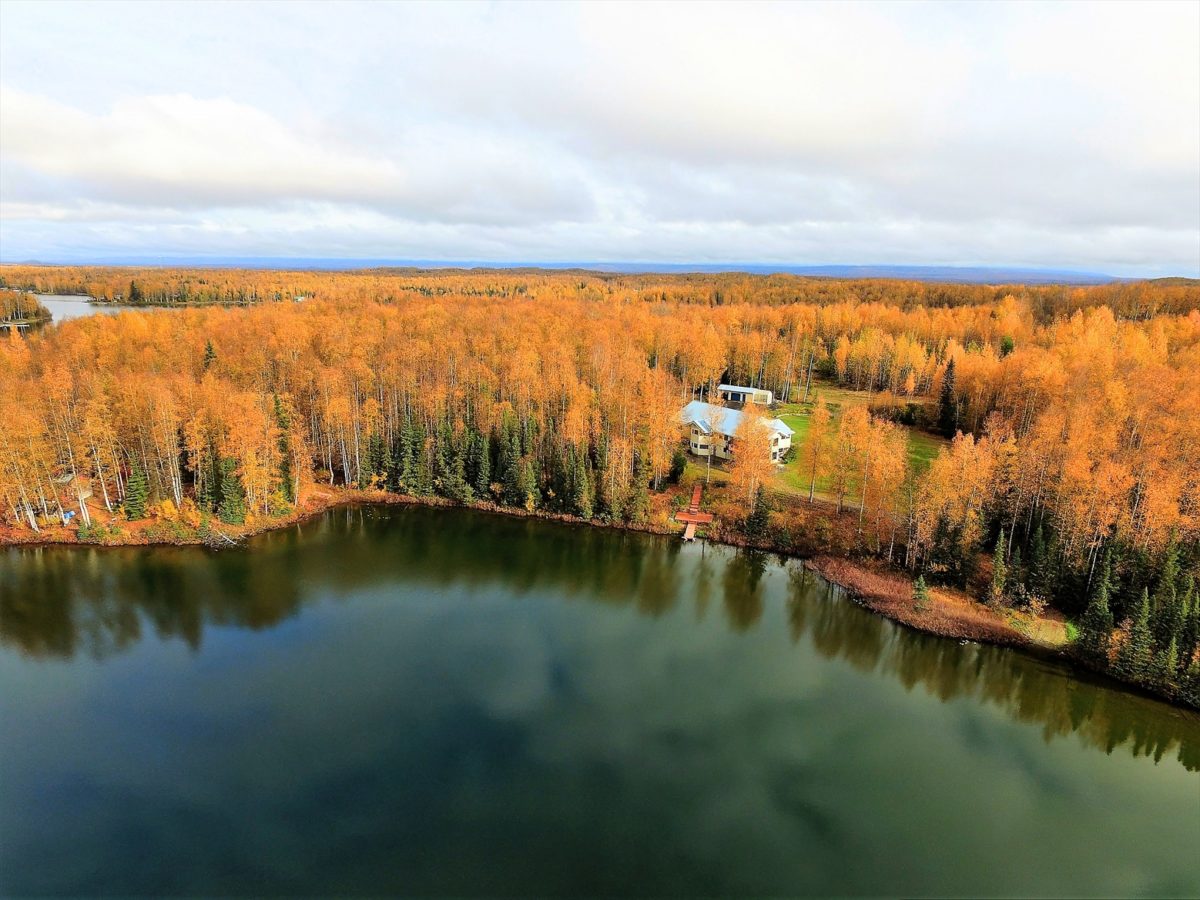
Seasonal Buying & Selling in Alaska: What Timing Really Means
Real estate in Alaska follows seasonal patterns that can influence pricing, inventory, and buyer behavior. Understanding how timing affects the market can help both buyers and sellers make more informed decisions.
While opportunities exist year-round, each season brings different advantages depending on your goals.
How Seasonality Impacts the Alaska Real Estate Market
Alaska’s real estate market is influenced by:
- Weather conditions
- Accessibility of properties
- Buyer activity cycles
- Inventory fluctuations
These factors can affect how quickly properties sell, how competitive the market is, and how pricing strategies should be approached.
👉 Explore Alaska real estate market insights
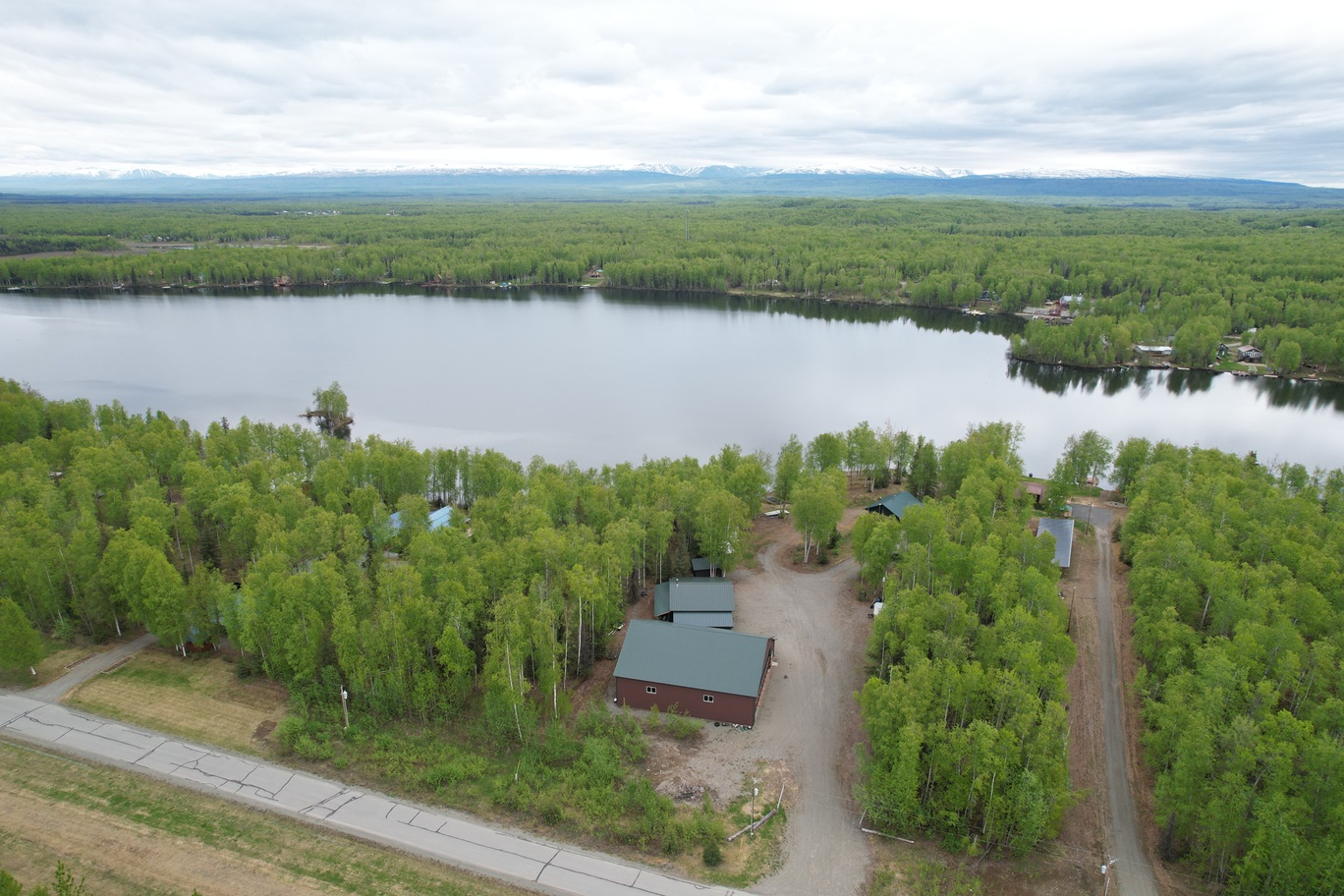
Spring & Summer: Peak Market Activity
Spring and summer are typically the most active seasons for real estate in Alaska.
During this time:
- Inventory tends to increase
- More buyers are actively searching
- Properties often show better due to weather and accessibility
For sellers, this can mean more exposure and competition among buyers.
For buyers, it often means more options — but also more competition.
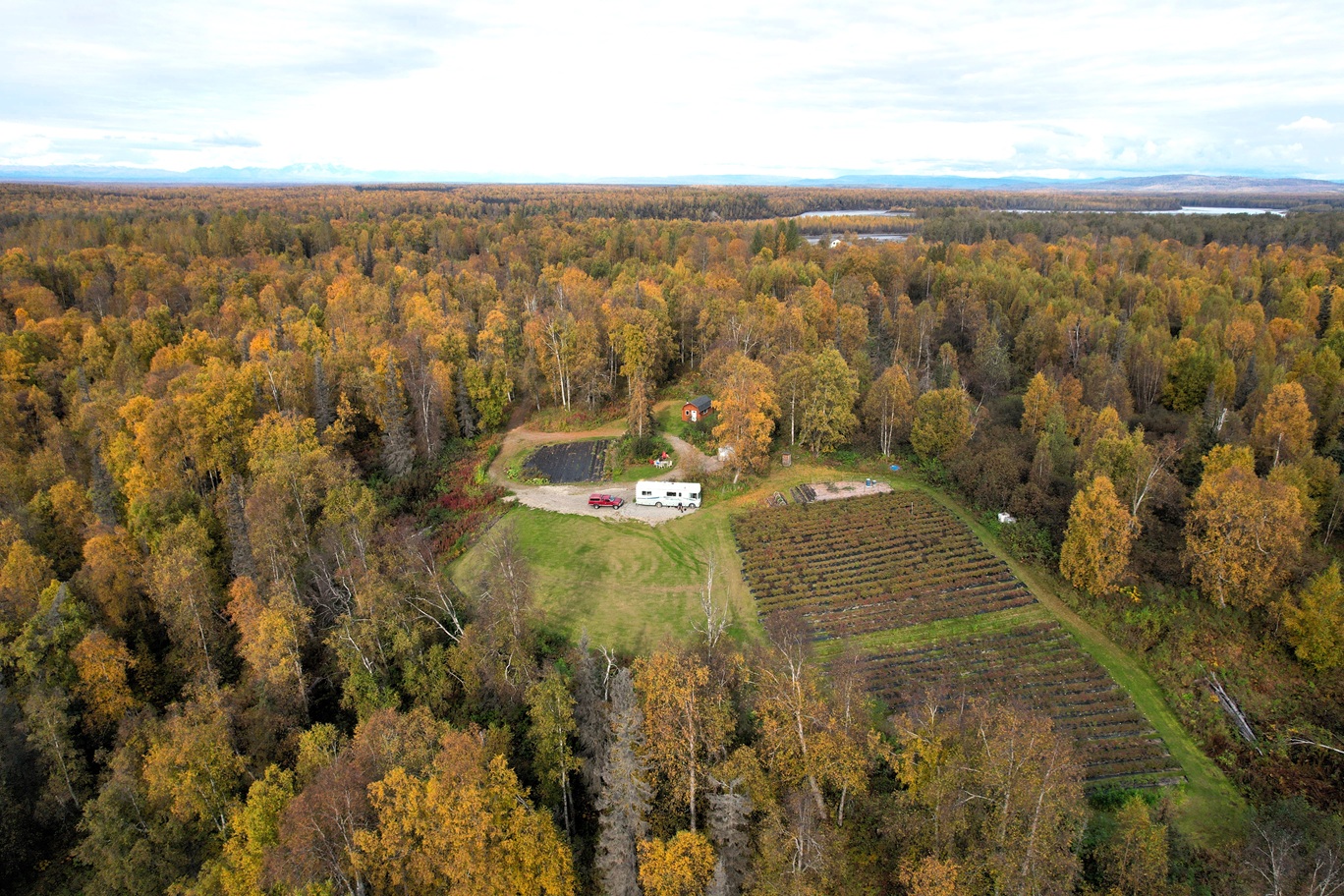
Fall: Transition Period
Fall represents a shift in the market.
- Inventory may begin to decrease
- Buyer activity can slow
- Sellers may become more flexible
This period can create opportunities for buyers who are still actively searching, as competition may be lower than in peak season.
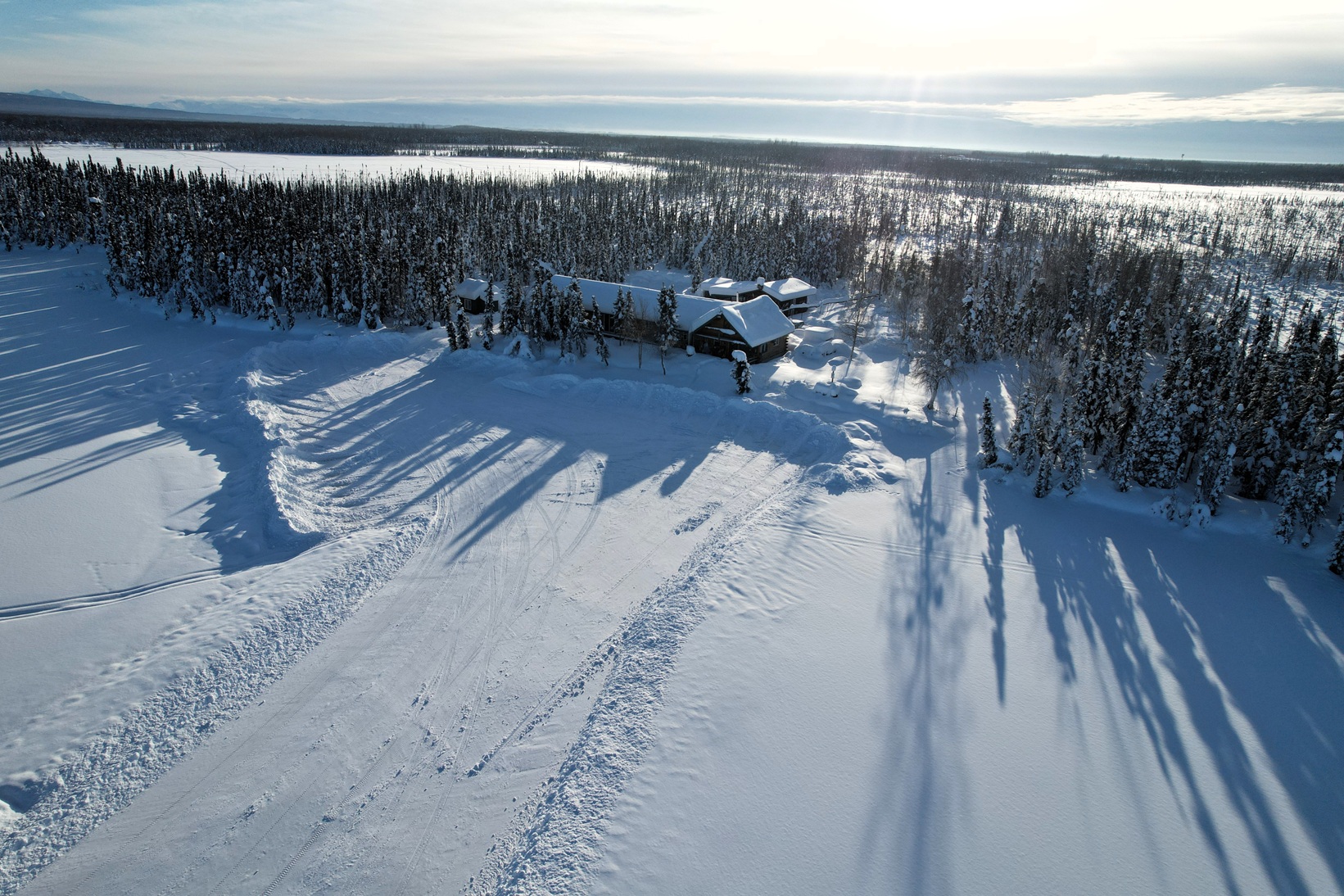
Winter: Unique Opportunities
Winter is typically the slowest season for real estate in Alaska, but it can offer advantages.
- Less competition among buyers
- Motivated sellers
- More room for negotiation
However, winter can also present challenges, such as limited property access or reduced visibility for certain features.
Seasonal Considerations for Remote & Rural Properties
Seasonality plays an even bigger role for remote and rural properties.
Factors include:
- Access routes (trail, road, air, water)
- Snow conditions
- Seasonal usability
- Visibility of land features
👉 Learn more about remote property considerations
Timing the Market vs Making the Right Decision
While seasonality matters, trying to perfectly time the market is rarely the most effective strategy.
Buyers and sellers should focus on:
- Current market conditions
- Personal goals and timing
- Property-specific factors
👉 Learn more about buying property in Alaska
👉 Learn more about selling your property
Work With an Experienced Alaska Realtor
Understanding seasonal trends is just one part of navigating the Alaska real estate market.
Working with an experienced Realtor helps you evaluate the right timing based on your specific situation and goals.
👉 Contact Sheila Monson to discuss your plans

Frequently Asked Questions About Seasonal Real Estate in Alaska
What is the best time to sell property in Alaska?
Spring and summer are typically the most active seasons, offering more buyer traffic and visibility. However, the best time depends on your property type, location, and current market conditions.
Is winter a bad time to buy property in Alaska?
Not necessarily. Winter can offer less competition and more negotiation opportunities, although inventory may be lower.
Is winter a bad time to buy property in Alaska?
Not necessarily. Winter can offer less competition and more negotiation opportunities, although inventory may be lower.
Do homes sell for more in summer in Alaska?
In some cases, increased demand during peak season can support stronger pricing, but pricing ultimately depends on market conditions and the property itself.
Are remote properties harder to sell in winter?
They can be, especially if access or visibility is limited. However, serious buyers may still be active year-round.
Should I wait for the market to improve before buying or selling?
Timing the market perfectly is difficult. Decisions are often better based on personal goals and current conditions rather than waiting for ideal timing.

